
Micro Surfacing
Micro Surfacing is a polymer-modified cold mix paving system designed to remedy many road surface problems.
Micro Surfacing is perfect for high-traffic arterial roads and features rut-filling capabilities.
- Leveling capabilities
- Depths of 3/8 to 3 inches (rut fill)
- Rut-filling (stoplights, truck entrances)
- Rapid set-times
- Excellent for major arteries
- Smooth black surface
What is Micro Surfacing?
Micro Surfacing is a polymer-modified cold-mix paving system that can remedy a broad range of problems on streets, highways, and airfields.
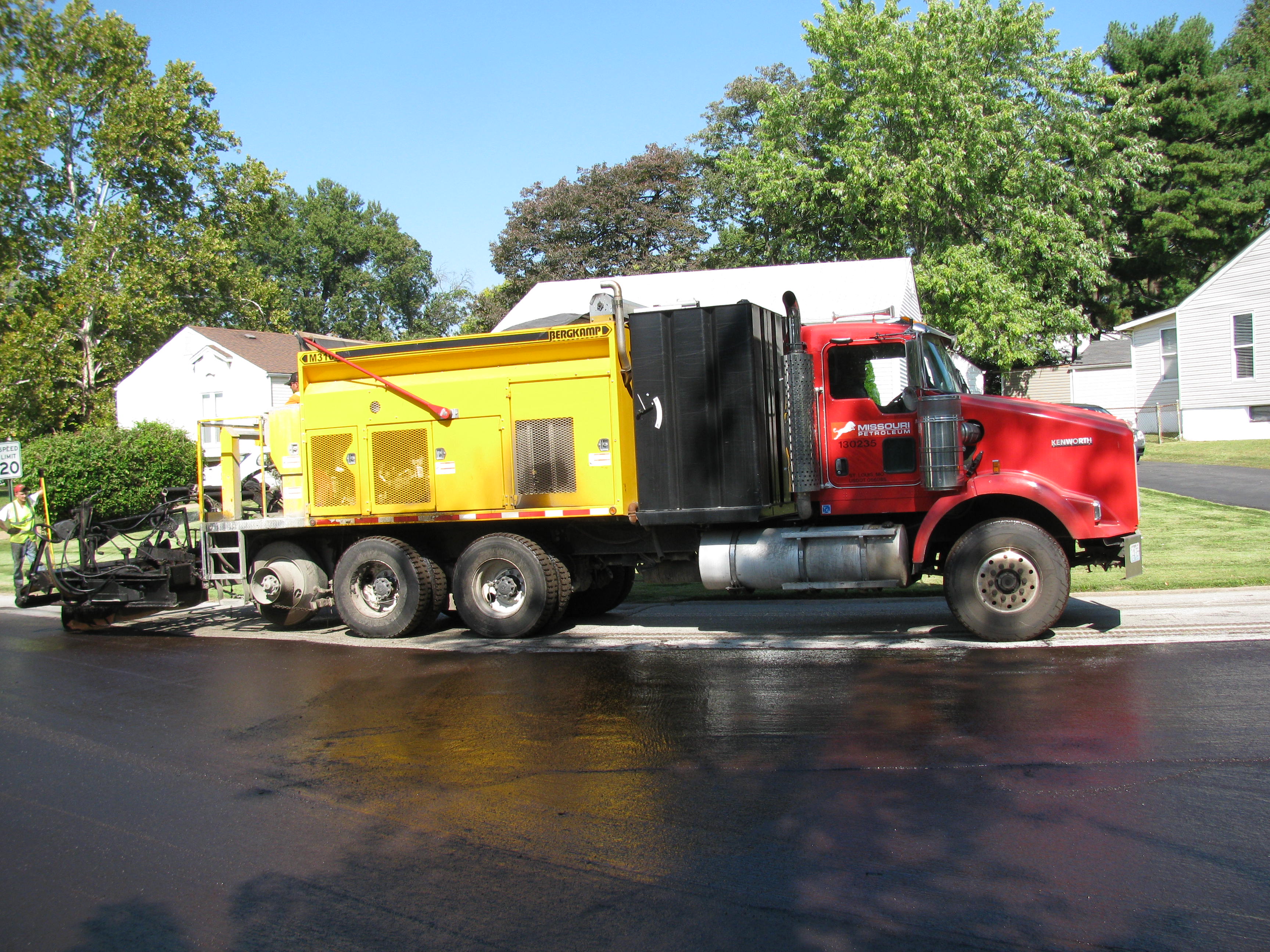
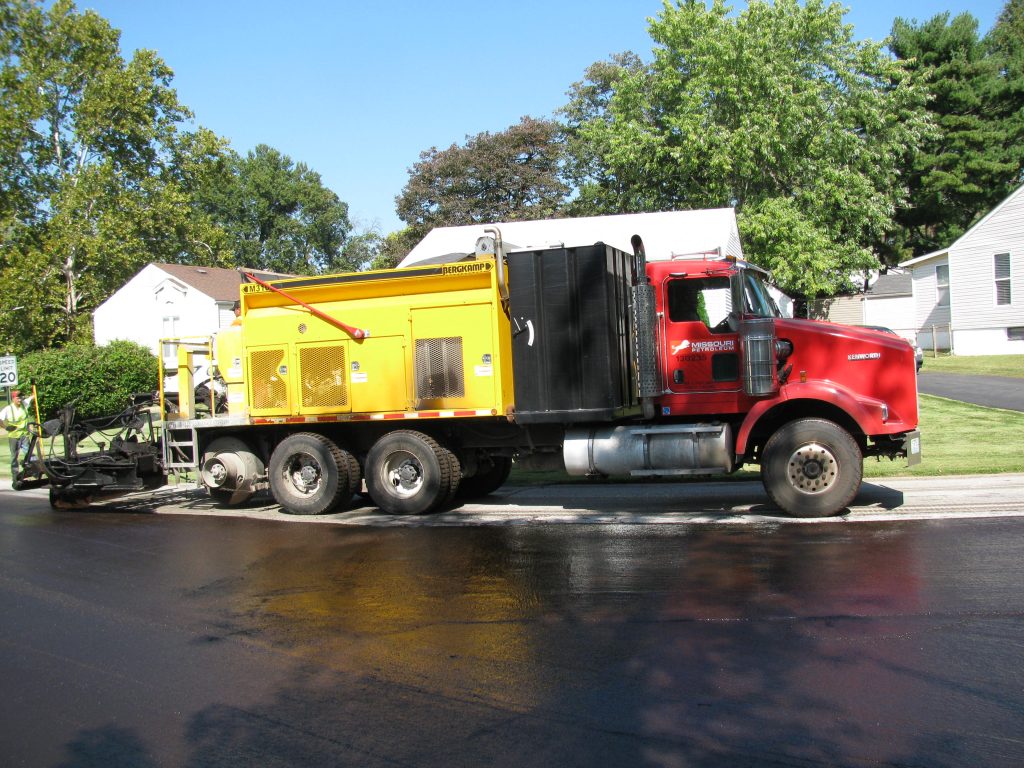
Micro Surfacing begins as a mixture of dense-graded fine aggregate, asphalt emulsion, water, and mineral fillers. It is applied to existing pavements by a specialized machine, which carries all components, mixes them on site, and spreads the mixture onto the road surface.
History of Micro Surfacing
Micro Surfacing was pioneered in Germany in the late 1960’s and early 1970’s. German scientists began experimenting with conventional slurry to find a way to use it in thicker applications which could be applied in narrow courses for wheel ruts and not destroy the expensive road striping lines on the autobahns.
When the scientists used highly selected aggregates and bitumen, and then incorporated special polymers and emulsifiers that allowed the product to remain stable even when applied in multi-stone thicknesses, the result was Micro Surfacing.
Introduced in the United States in 1980, Micro Surfacing is recognized not only as a way to treat the surface wheel-rutting problem, but also a variety of other road surface problems. Micro Surfacing is now used throughout Europe, the United States, and Australia, and is making inroads into many other areas.
Application Equipment and Procedures
Micro Surfacing is made and applied to existing pavements by a specialized machine, which carries all components, mixes them on site, and spreads the mixture onto the road surface.
Materials are continuously and accurately measured, and then thoroughly combined in the Micro Surfacing machine’s mixer.
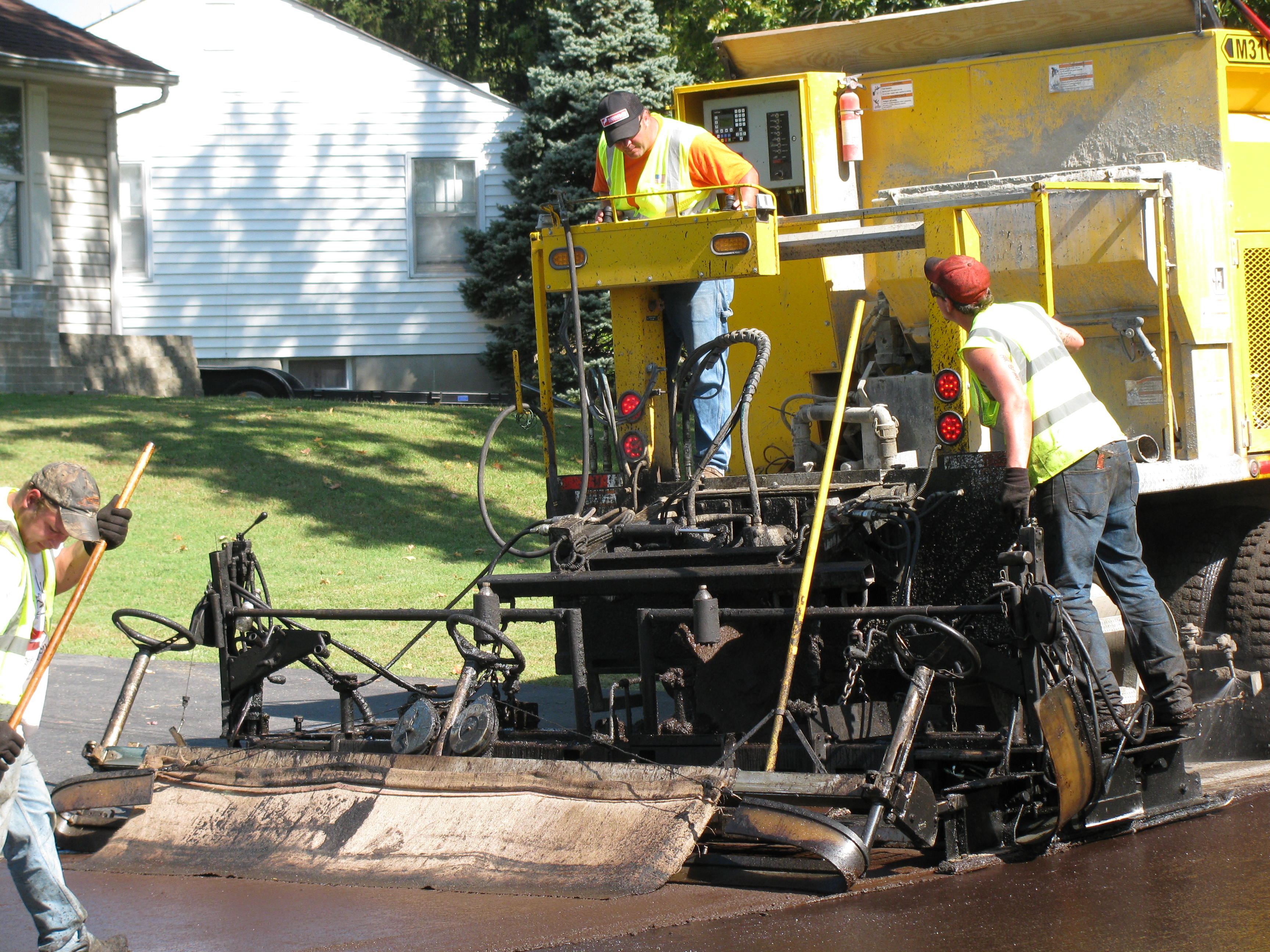
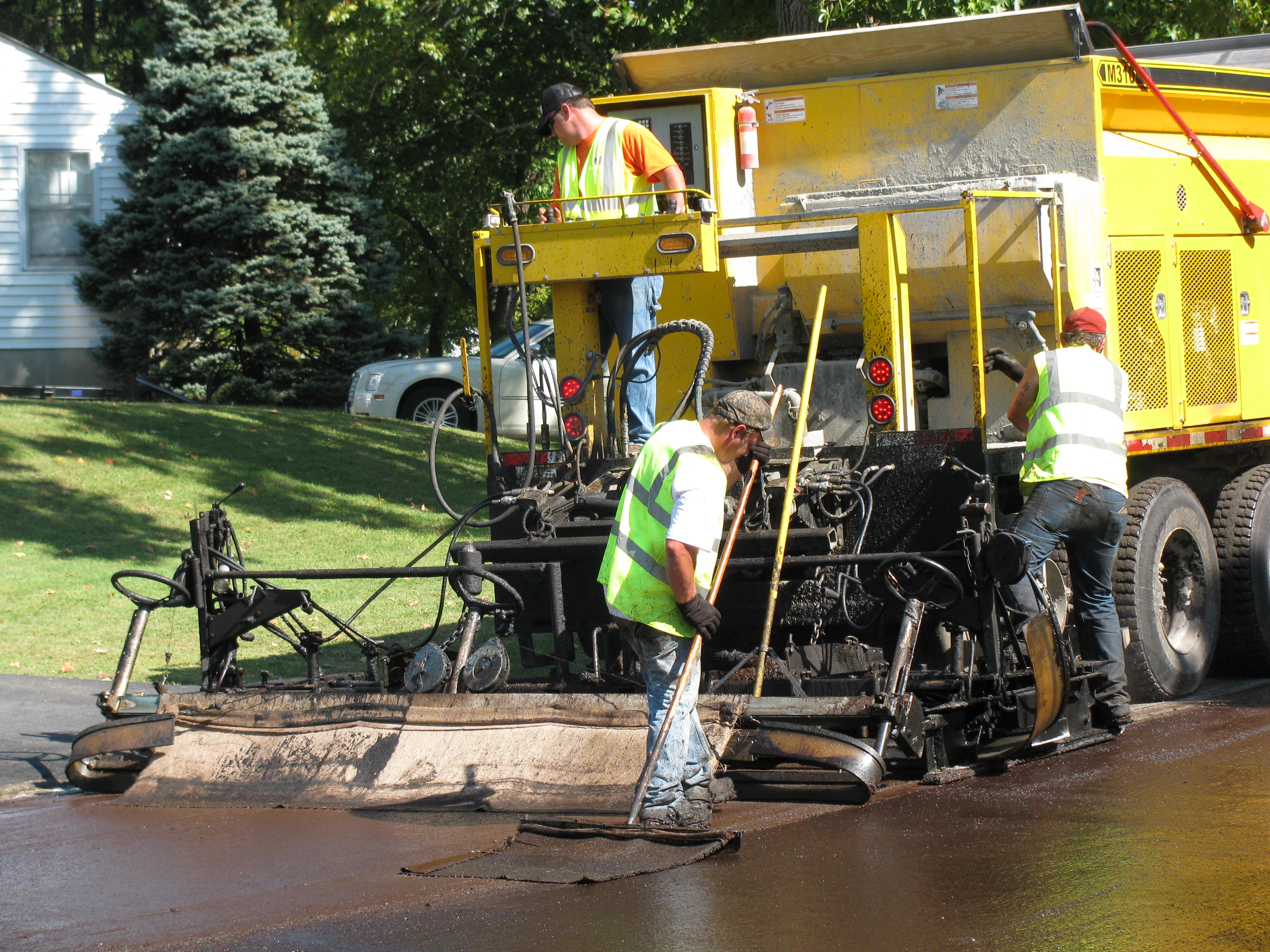
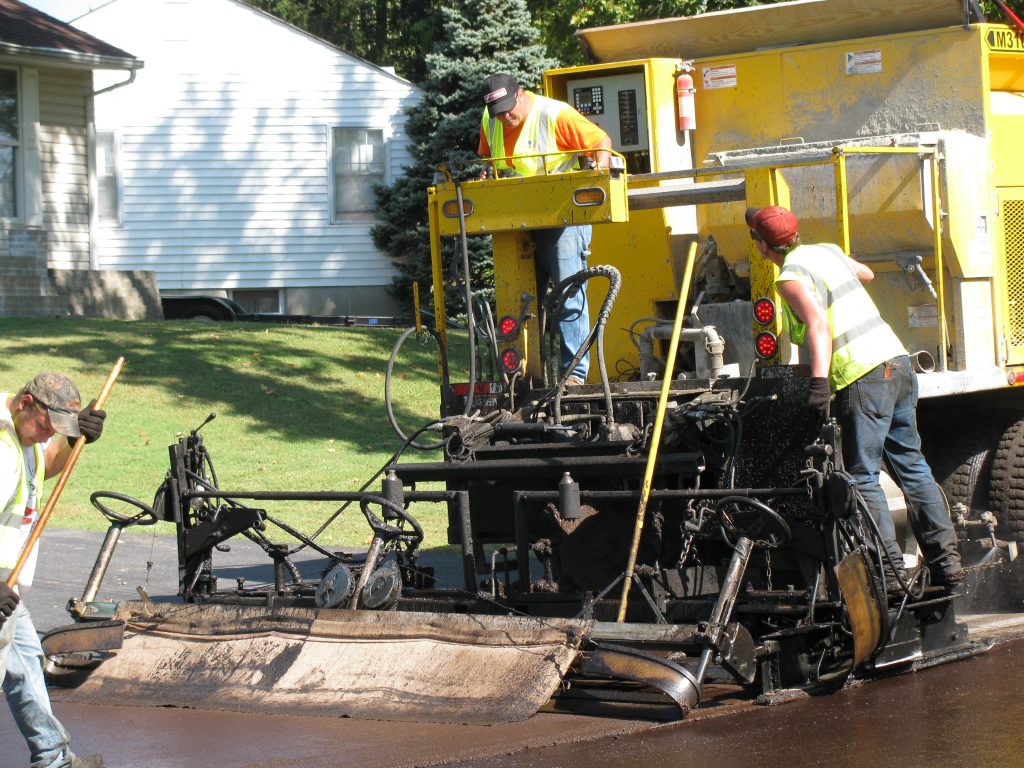
As the machine moves forward, the mixture is continuously fed into a full-width “surfacing” box which spreads the Micro Surfacing across the width of a traffic lane in a single pass. Or specially engineered “rut” boxes, designed to deliver the largest aggregate particles into the deepest part of the rut to give maximum stability in the wheel path, may be used.
Advantages of Micro Surfacing
With a quick-traffic application as thin as 3/8″, Micro Surfacing can increase skid resistance, color contrast, surface restoration, and service life to high-speed, heavy-traffic roadways.
On airfields, dense-graded Micro Surfacing produces a skid-resistant surface without loose rock that damages aircraft engines.
Because of its quick-traffic properties, Micro Surfacing can be applied in a broad range of temperatures and weather conditions, effectively lengthening the paving season. It is particularly suitable for night applications on heavy-traffic streets, highways, and airfields.
Micro Surfacing’s life expectancy usually exceeds five to seven years.
If you would like a copy of the Micro Surfacing specifications, please click here.
Micro Surfacing Photos